
In an era where healthcare needs are rapidly evolving, thoughtful design has never been more important. In the recent Convo by Design podcast episode, hosted by Josh Copperman, Parkin Architects principals Rebecca McDonald and KyleBasilius joined the conversation to explore the future of healthcare architecture that blend human-centred design with technological innovation to shape more responsive, resilient and healing environments. And how hospital design is evolving to meet the challenges of complex healthcare systems.
The Changing Landscape of Healthcare and Hospital Design
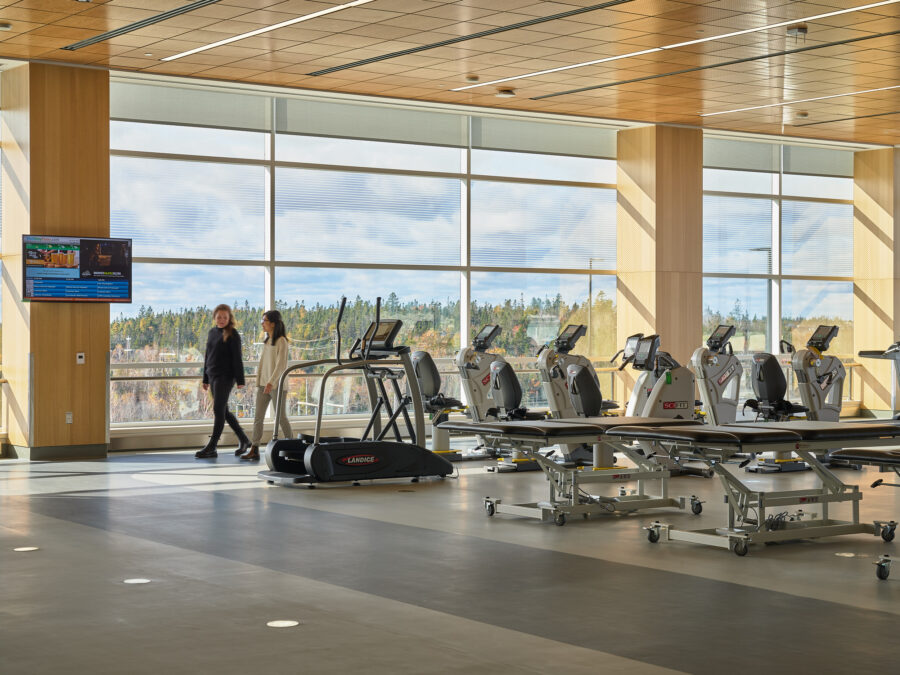
The podcast opens with a discussion on how healthcare architecture is evolving in response to shifting care models, demographics, and system pressures. Rebecca McDonald and Kyle Basilius explore the fundamental differences between universal and private healthcare systems, and how these structures directly shape hospital design.
In Canada’s universal healthcare system, hospital architecture must balance efficiency, equity, and public accountability while supporting community wellbeing at scale. Design decisions are often driven by long-term value, resilience, and access. In contrast, more competitive private healthcare environments tend to prioritize market differentiation, patient choice, and operational branding. Understanding these distinctions is essential for designing healthcare facilities that respond meaningfully to their social, economic, and policy contexts.
For Parkin, this systems-based understanding reinforces the importance of designing healthcare environments that serve communities holistically, not just clinically.
Technology as a Catalyst for Healthcare Architecture
Technology continues to play a defining role in the future of healthcare design. The conversation highlights how advancements such as artificial intelligence, robotics, automated logistics, and remote diagnostics are no longer speculative, but increasingly embedded in hospital planning and operations.
Rather than designing around technology as an add-on, McDonald and Basilius emphasize the need to integrate these tools early in the design process. Automated supply systems, for example, can significantly reduce staff travel time and operational inefficiencies, allowing clinicians to focus more on patient care. Digital diagnostics and remote monitoring are also reshaping spatial requirements, influencing everything from room sizing to departmental adjacencies.
This technology-informed approach aligns with Parkin’s commitment to designing healthcare facilities that are operationally efficient, adaptable, and resilient in the face of rapid change.
Human-Centred Design and the Patient Experience
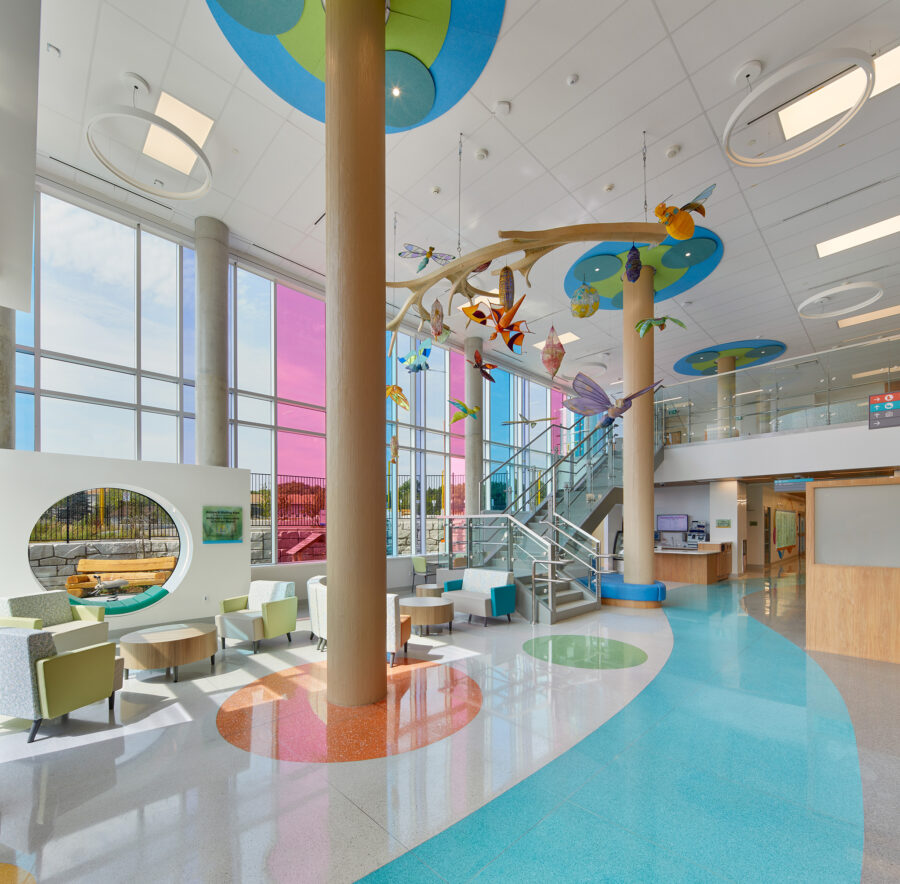
At the core of the discussion is the enduring importance of human-centred, evidence-based design. McDonald and Basilius reinforce that technology alone cannot improve healthcare outcomes without environments that support dignity, comfort, and emotional wellbeing.
Design strategies such as access to natural light, views to nature, outdoor spaces, and family-friendly areas have been consistently shown to reduce stress and support healing. Thoughtfully designed public and clinical spaces can improve patient experience while also supporting families and caregivers who are integral to the care journey.
Equally important is the integration of culturally responsive design, particularly within the Canadian healthcare context. Basilius highlights how Parkin’s projects increasingly support Indigenous ways of knowing and healing; not symbolically, but operationally.
“We allow for smudging. It’s the burning practice in every patient room. So, they can actually shut down the mechanical system in every patient room, in staff rooms as well, and then be able to do ceremonies, smoking ceremonies.”– Kyle Basilius
This approach acknowledges that healing is not solely clinical. It is cultural, spiritual, and deeply personal. Embedding these capabilities directly into building systems reflects a broader shift toward healthcare environments that respect diverse identities while maintaining operational excellence.
Designing for Flexibility and Long-Term Change
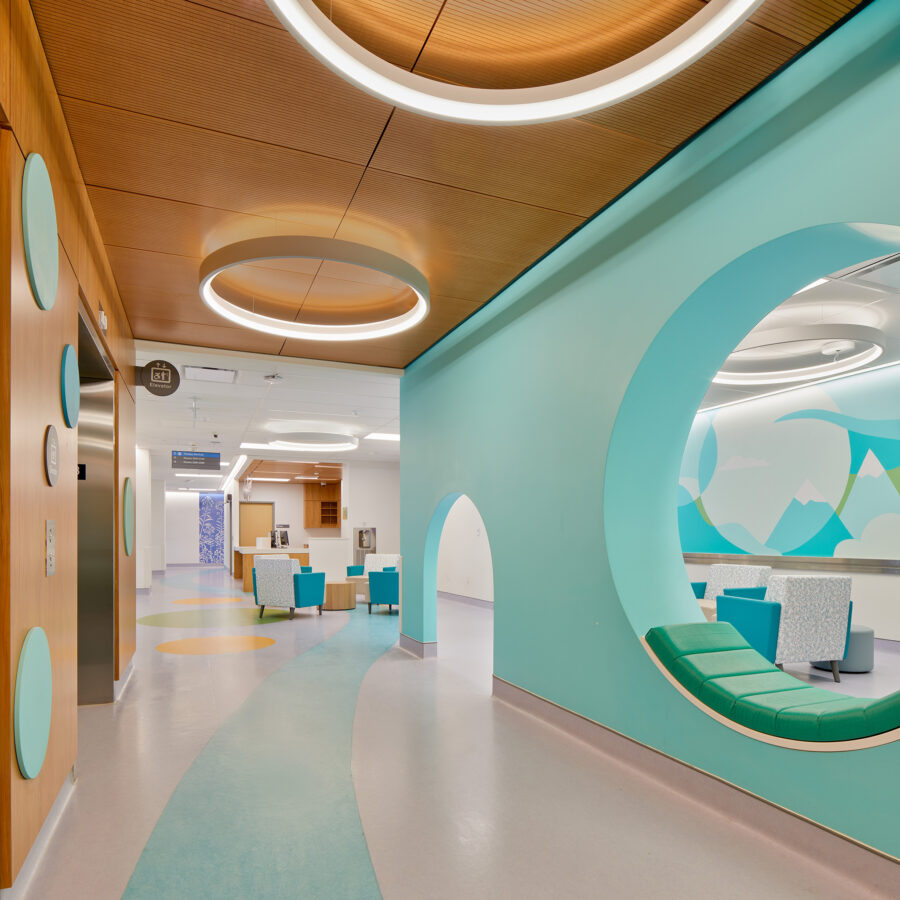
A central takeaway from the podcast is the importance of future-proofing healthcare facilities. Hospitals are long-term investments, often expected to serve communities for 50 years or more. Over that lifespan, medical technologies, care delivery models, and population needs will evolve dramatically.
Designing with flexibility in mind allows healthcare environments to adapt without requiring extensive disruption or costly renovations. Strategies such as modular planning, adaptable infrastructure, and flexible clinical spaces ensure that facilities remain functional and relevant as care models shift.
This forward-looking approach reflects Parkin’s focus on long-term performance, lifecycle value, and adaptability across healthcare projects.
The Shift Toward Decentralized and Preventative Care
Emerging tools, such as advanced diagnostic technologies being piloted internationally, illustrate how preventative care could transform public healthcare systems by identifying health issues earlier and improving long-term outcomes. This evolution presents new opportunities for healthcare architecture, from outpatient facilities to community-based care hubs that prioritize wellness alongside treatment.
Designing for this shift requires architects to think beyond traditional hospital typologies and consider how built environments can support care across the full continuum.
“The shift back to a decentralized care model, with a focus on wellness within those decentralized care models really brings us a great opportunity to bring care to more people.” – Rebecca McDonald
Key Takeaways for the Future of Healthcare Design
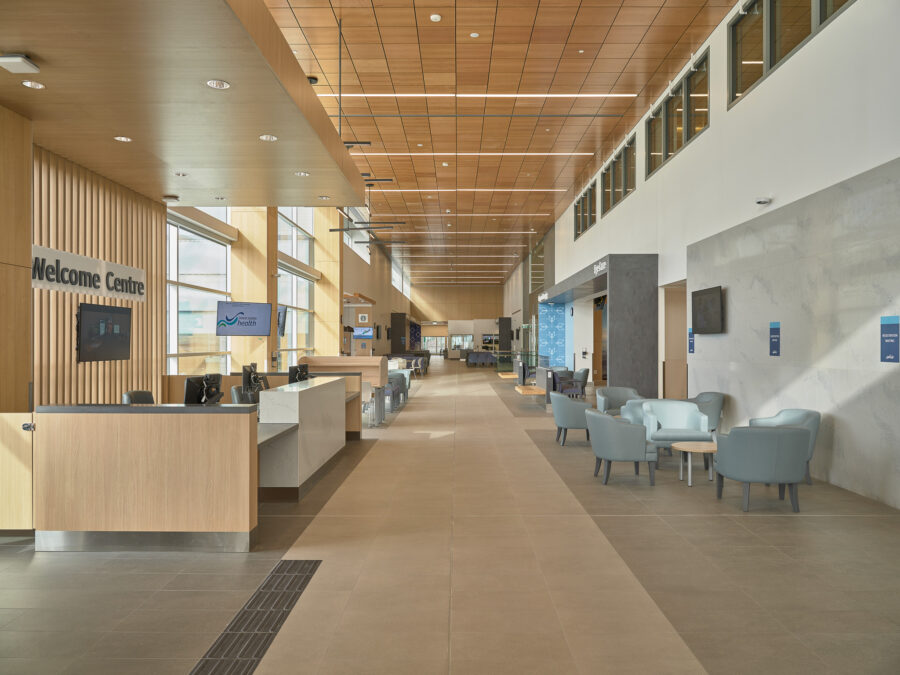
The future of healthcare design is less about chasing technology and more about designing systems that can evolve clinically, culturally, and operationally over decades. As McDonald and Basilius discuss, hospitals must be flexible enough to accommodate new models of care, emerging technologies, and diverse approaches to healing, all while remaining deeply human-centred.
Healthcare design is no longer just about buildings. It’s about enabling care models that don’t yet exist, supporting healing in all its forms, and ensuring public healthcare systems remain resilient for generations to come.