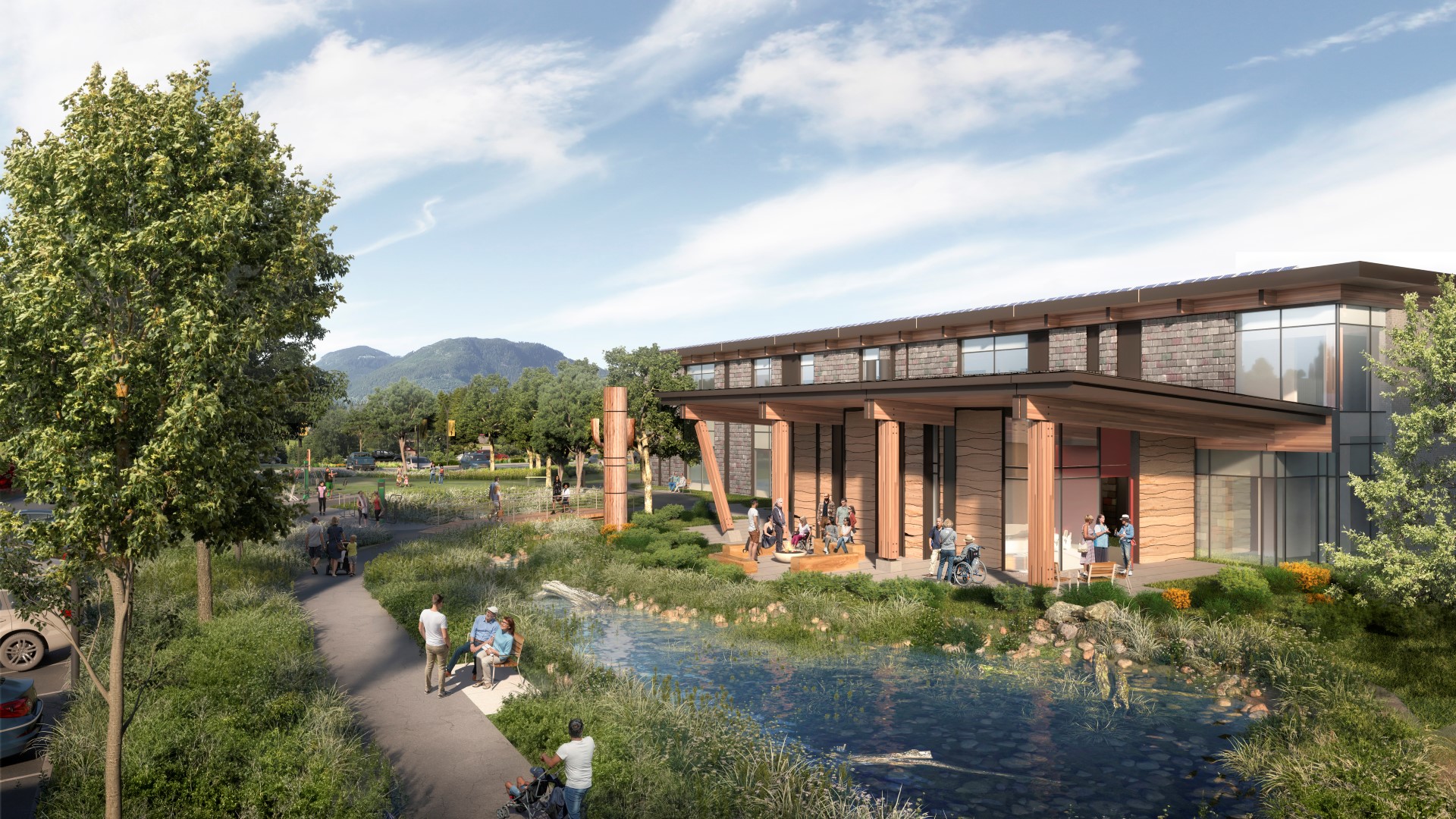
At Parkin, we believe that true sustainability is not an afterthought—it is a foundational design principle. From the very first conversation, our goal is to integrate sustainable thinking into every aspect of a project. As climate challenges intensify, the role of architecture in driving environmental resilience has never been more critical. We see this responsibility not as a constraint, but as an opportunity to lead with innovation, collaborate, and purpose.
Embedding sustainability from the start empowers better design. Early integration allows project teams to make strategic decisions that have long-term impacts. Choices around site orientation, building envelope design, material selection, energy systems, and water use can drastically reduce a facility’s environmental footprint over its lifetime. When these conversations happen early, we can deliver buildings that performs efficiently, support occupant wellness, lower operational costs, and meet the long-term goals of our clients and communities.
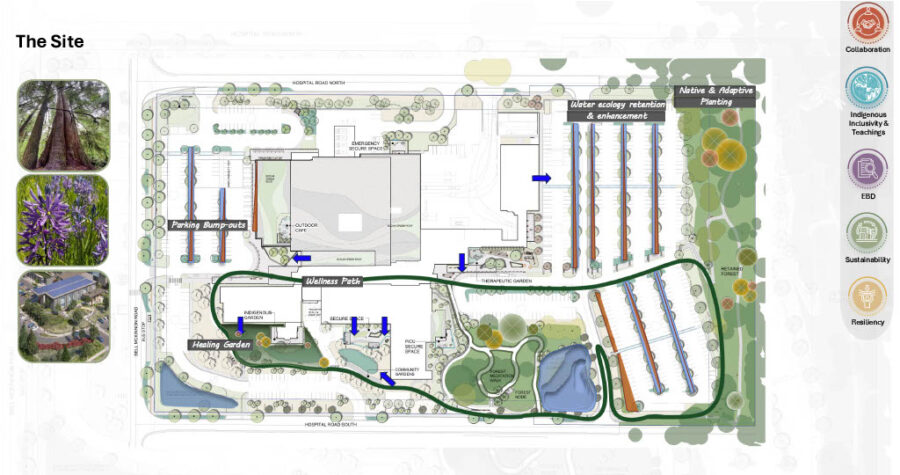
Early planning also creates opportunities for alignment and best fit review with certification systems like LEED, WELL, Zero Carbon Building Standards, and other frameworks. These tools are most effective when they support a holistic sustainability strategy. Helping validate goals and targets and rather than serving as minimum-cost sustainability checklist.
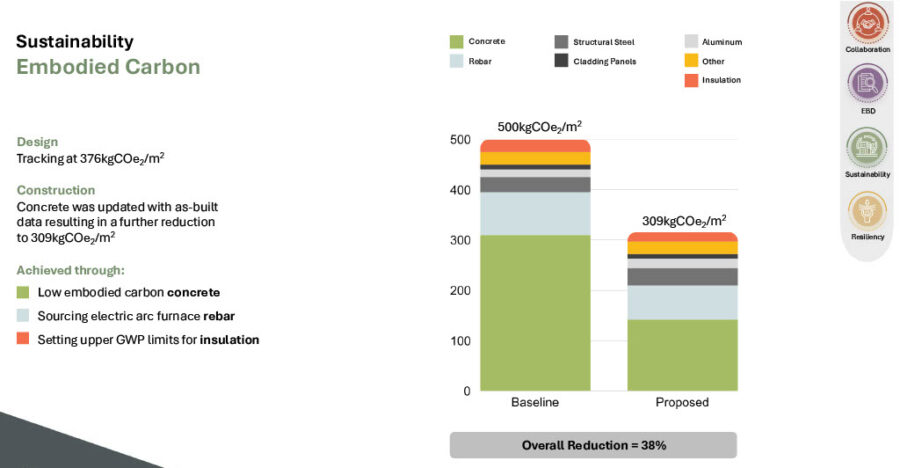
A significant advancement in sustainable design strategy is the proactive focus on embodied carbon reduction. By proactively assessing material choices through directional embodied carbon modeling, we are achieving significant reductions—often without additional cost. As part of the Cowichan District Hospital Replacement project, for example, our alliance team, in collaboration with ZGF Architects achieved a 38% reduction in embodied carbon. This underscores the impact early-stage planning can have, both environmentally and economically.
Parkin’s approach is grounded in life-cycle thinking ensuring every project considers long-term adaptability, resource stewardship, and future maintenance. We design spaces that evolve with their users and remain resilient over time.
Sustainability, for us, is also about people. Through meaningful early engagement with communities, clients, and stakeholders, we ensure the design reflects shared values, cultural context, and long-term resilience. Whether it’s maximizing daylight and airflow in a healthcare facility, creating access to nature in an educational setting, or designing for passive survivability in critical infrastructure, our approach ensures that environmental and human sustainability go hand in hand.
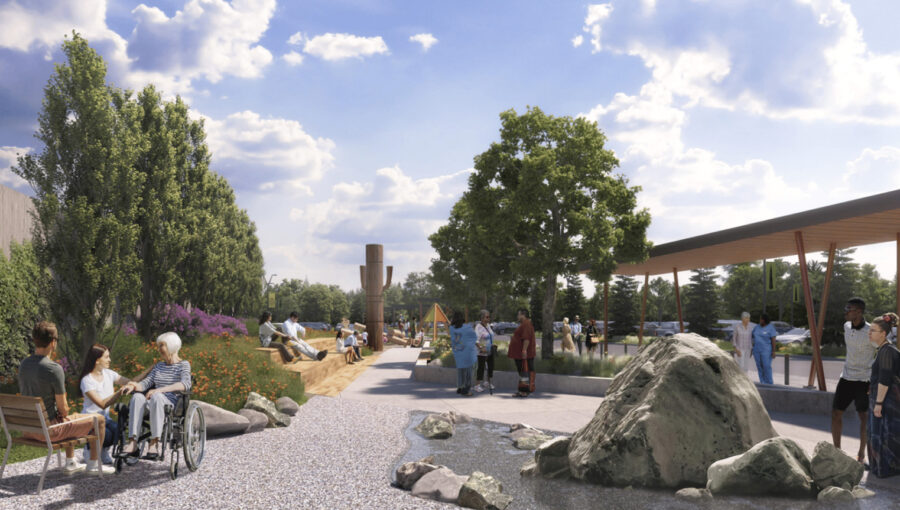
Ultimately, buildings that are planned with sustainability in mind from the beginning are smarter, healthier, and more future-ready buildings. At Parkin, we don’t just design for today—we design for generations to come.
Renderings by: Cicada Design Inc. and 95degree Inc.
Graphics: 8th Annual Forum on Healthcare Infrastructure, Western Canada. Presented by: Janeen Kidd (Island Health), Iain MacFadyen (RGS Consultants), Meagan Webb (HH Angus), and Shane Czypyha (Parkin)