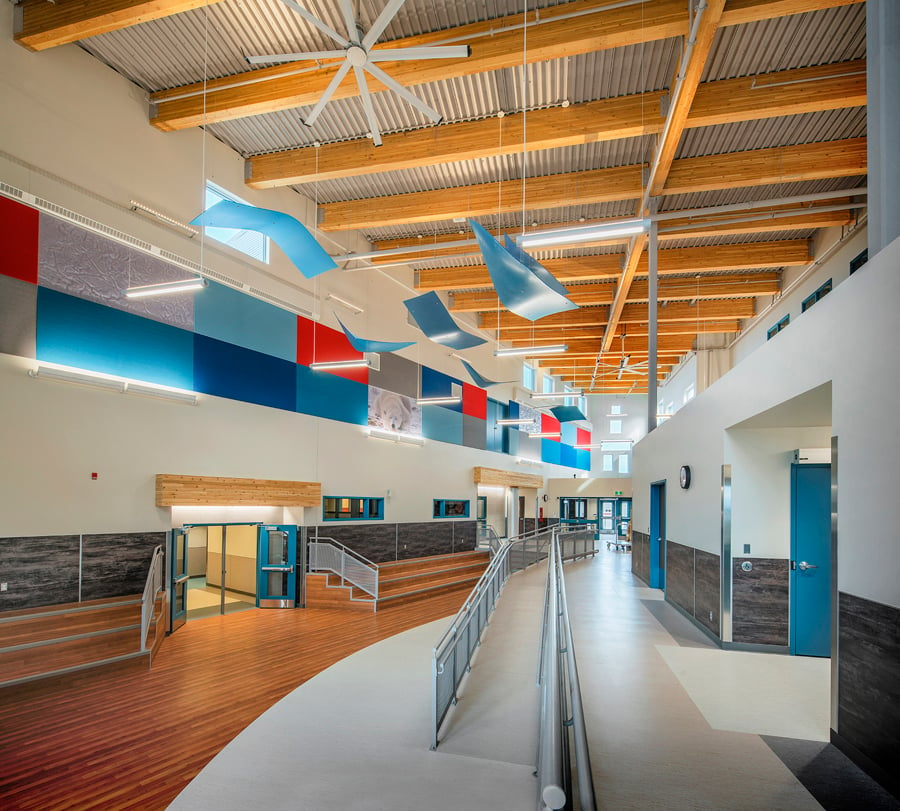
As students, families, educators, and communities prepare for another school year, the spaces where learning happens take on renewed significance. Schools are more than classrooms. They are places of discovery, gathering, belonging, culture, recreation, and connection.
In many communities, particularly in Canada’s North, schools also serve as essential civic infrastructure, supporting students throughout the day and welcoming families and community members beyond the school day.
At Parkin, our approach to educational architecture and school design in the Arctic begins with a broader understanding of what these environments can support. This understanding is developed from the project outset through Indigenous Engagements with all members of the community. The significance of including staff, students, and community members, particularly the elders, is crucial for addressing and fulfilling the educational requirements of each community. Through our work across Nunavut, including projects such as Tuugaalik High School in Naujaat, Arvilligruaq Illiniarvik School in Kugaaruk, Peter Pitseolak High School in Kinngait, Igloolik High School, École des Trois-Soleils in Iqaluit, Taloyoak High School and Daycare, and the Sakku School Addition and Renovation in Coral Harbour, we have seen how thoughtful design can support learning while strengthening community identity, resilience, and long-term use.
Schools as Community Anchors
In remote and northern communities, schools often play a role that extends far beyond the classroom. A gymnasium, commons area, resource centre, daycare, or multi-purpose space may also support recreation, meetings, celebrations, cultural programming, and community events.
Designing for this shared use requires more than efficient planning. It requires an understanding of how people live, gather, learn, and support one another. This understanding is shared by the community through Indigenous Engagement to ensure the design team is actively listening and learning from each project.
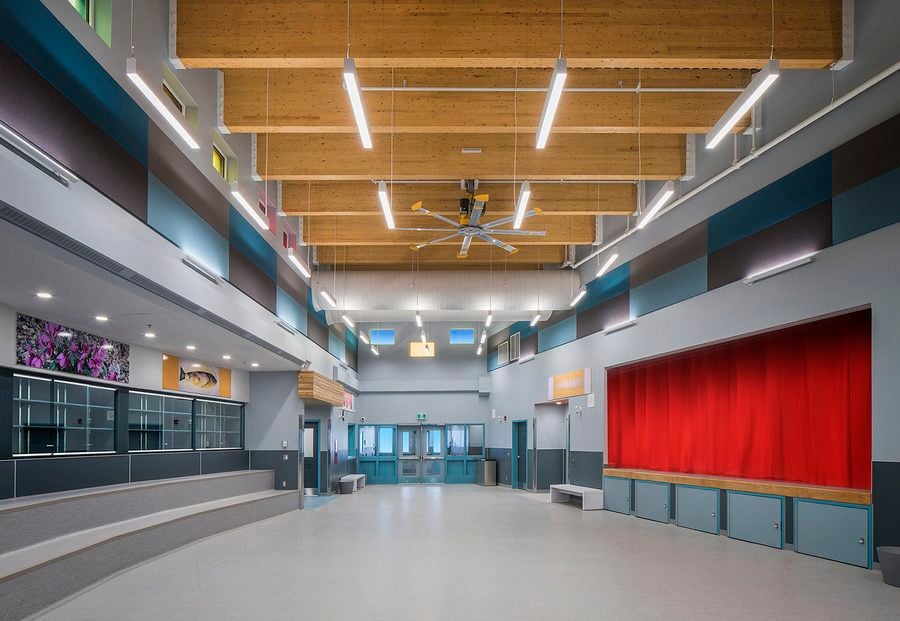
This approach is reflected throughout Parkin’s work in northern education. Facilities such as Tuugaalik High School were designed as flexible, multifunctional environments that support both education and the broader recreational and social needs of the community. Central gathering spaces, including commons and culturally-inspired areas, help connect classrooms, gymnasiums, daycare spaces, administration, and shared amenities, creating a welcoming heart for students, staff, and community members.
Designing Schools for Place, Climate, and Daily Life
Designing schools in the Canada’s North requires a deep understanding of place. Extreme Arctic climate, remote construction logistics, limited shipping windows, permafrost, high winds, snow accumulation, and long winter periods all influence how a building is sited, detailed, constructed, and maintained.
These are not secondary considerations. They shape the success and durability of the school over its full lifecycle.
Across Parkin’s northern education portfolio, design strategies have focused on natural light, clear circulation, durable materials, high-performance building envelopes, operational resilience, and practical detailing suited to remote communities. Schools must be welcoming and meaningful, but they must also be buildable, maintainable, and capable of supporting students and staff through demanding seasonal conditions.
The result is an approach to school design that considers both the immediate experience of learning and the long-term realities of operating a building in a remote northern environment.
Learning Environments That Reflect Culture and Identity
A successful school should reflect the community it serves.
In Nunavut, this means recognizing the importance of Inuit culture, values, knowledge, and ways of learning. Parkin’s work has been informed by Indigenous Engagement with communities, including youth, Elders, educators, and local representatives. These conversations help shape educational environments that feel grounded in local identity rather than imposed from outside.
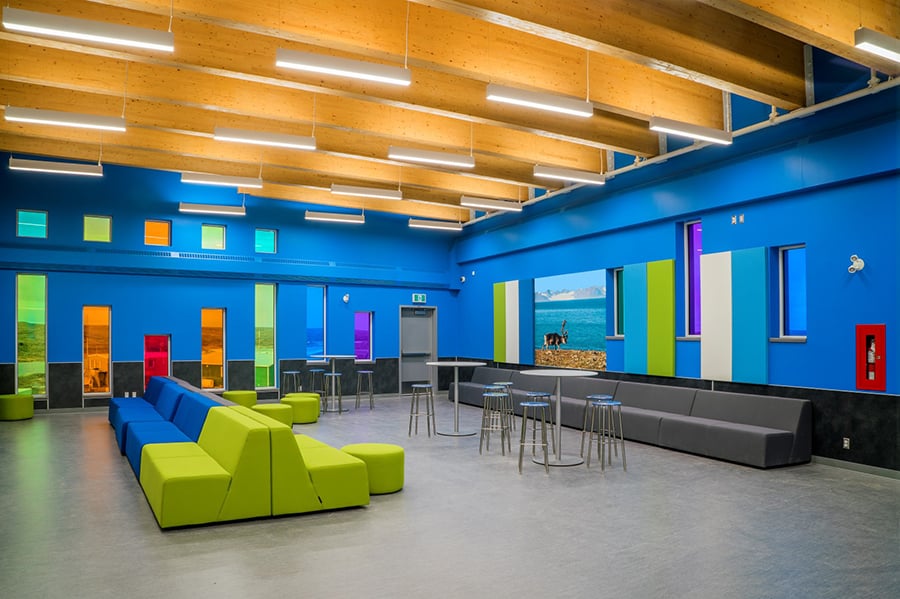
Projects such as Peter Pitseolak High School and Taloyoak High School and Daycare demonstrate how educational architecture can integrate gathering areas, cultural display, student commons, daycare programming, and flexible community use.
These elements support learning while also creating environments where students can see their community, language, traditions, and future reflected in the built environment.
Schools, Belonging and the Built Environment
The return to school also arrives close to National Day for Truth and Reconciliation on September 30, a time to honour Survivors of residential schools, remember the children who never returned home and reflect on the continuing impacts of colonial systems on Indigenous Peoples, families, and communities.
For those of us working in architecture, planning, and design, this is a reminder that the built environment carries meaning. Schools, in particular, have a complex significant history.
Architecture alone cannot achieve reconciliation. However, the design of educational environments can support the conditions for belonging, representation, continuity and community-led decision-making. It means recognizing that the people who will use a school bring knowledge and lived experience that should help inform its design. It means creating spaces that respond to local culture and daily life while remaining adaptable to the needs of future generations.
Continuing to Listen and Learn
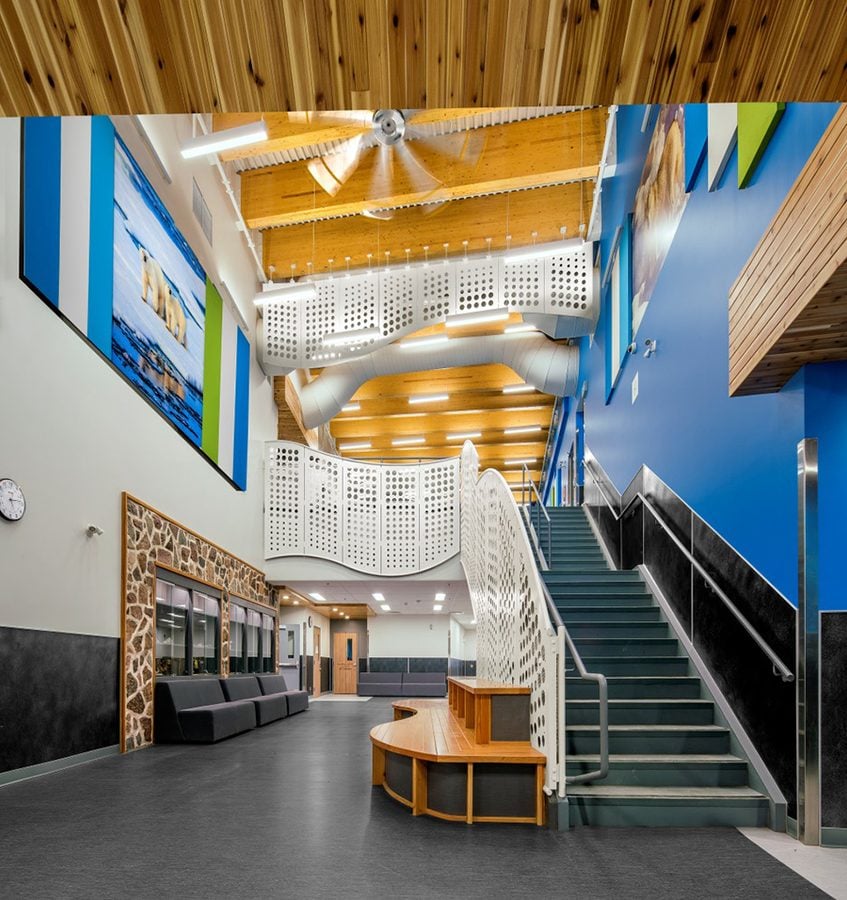
Parkin’s work in northern and Indigenous communities has reinforced the importance of respectful engagement, cultural responsiveness, and long-term accountability. Every project is an opportunity to listen, to learn from local knowledge, and to create environments that support both everyday needs and broader community aspirations.
As the school year begins, we recognize the vital role that educational environments play in shaping experiences of safety, confidence, identity, and possibility.
For Parkin, designing schools means designing for more than learning. It means creating places that can bring people together, reflect the communities they serve and support students, educators, families and future generations.