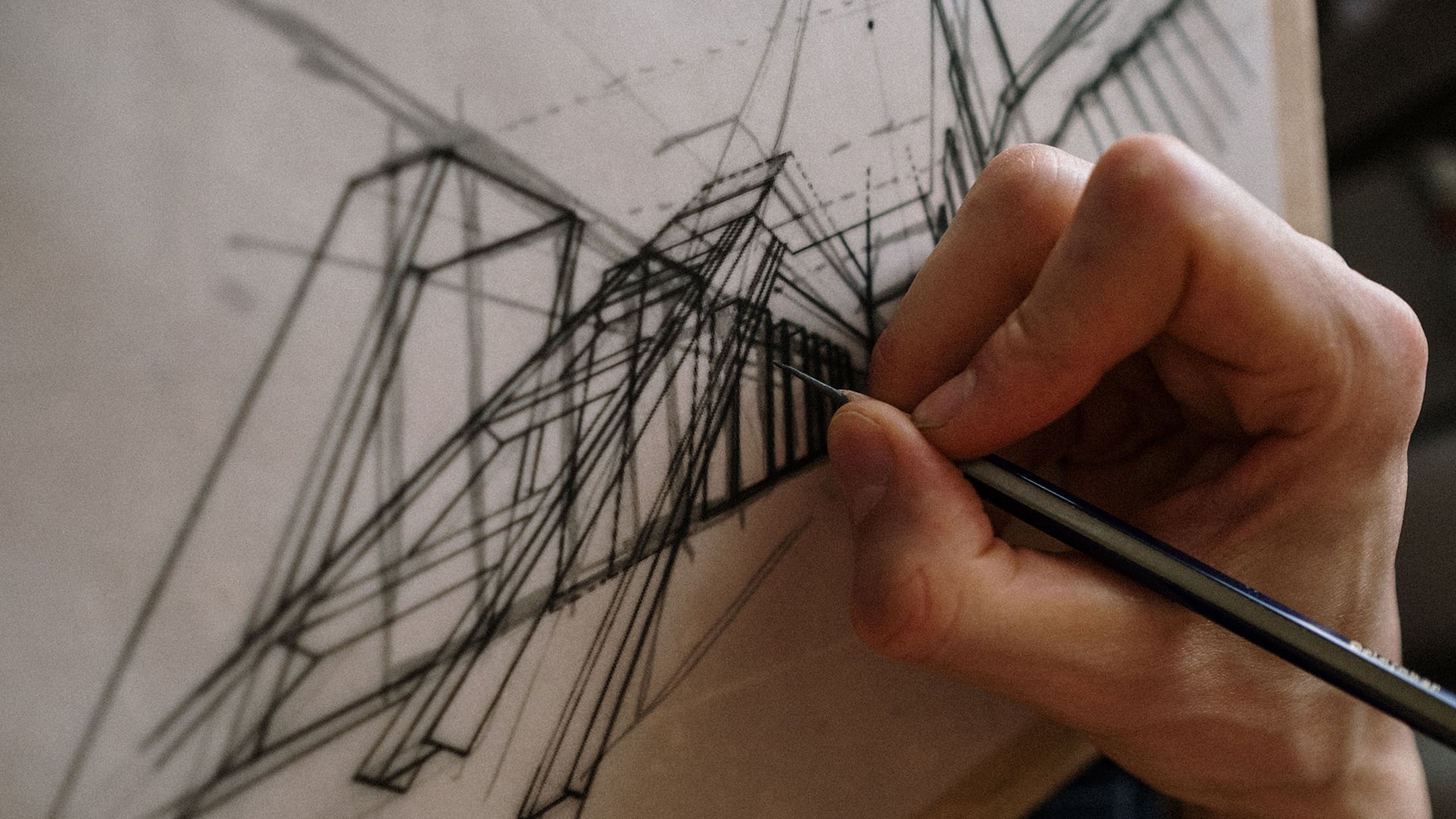
Storytelling is an essential part of our design process. It helps us communicate the vision, contextual significance and even understand and improve the way the building functions for all occupants.
Whether designing healthcare environments, justice facilities, educational spaces, or community infrastructure, storytelling plays a vital role throughout the design process from early concept development to final construction. It shapes how we understand our clients’ needs and helps us communicate opportunities to create buildings that better serve the diverse people who use them.
Every project begins with a story. Sometimes that story is shaped by the history of a site or the cultural identity of a community. Other times, it is informed by the experiences of patients, families, staff, students or visitors. By listening to these perspectives, architects can create spaces that are not only functional and efficient, but also welcoming, intuitive, and memorable.
When design is guided by a clear narrative, buildings become more than physical structures; they become places of connection and belonging.
Connecting People to Place
Storytelling helps architecture respond to the unique character of a place.
Local history, culture, landscape, and community identity can all inform design decisions, creating environments that feel authentic and grounded in their context. Materials, colour palettes, natural light, movement, and form can reinforce these narratives, helping people understand where they are and creating a stronger sense of connection.
For Parkin, designing with context in mind is an important part of creating spaces that feel meaningful to the communities they serve. Architecture has the power to honour local stories while supporting the evolving needs of future generations.
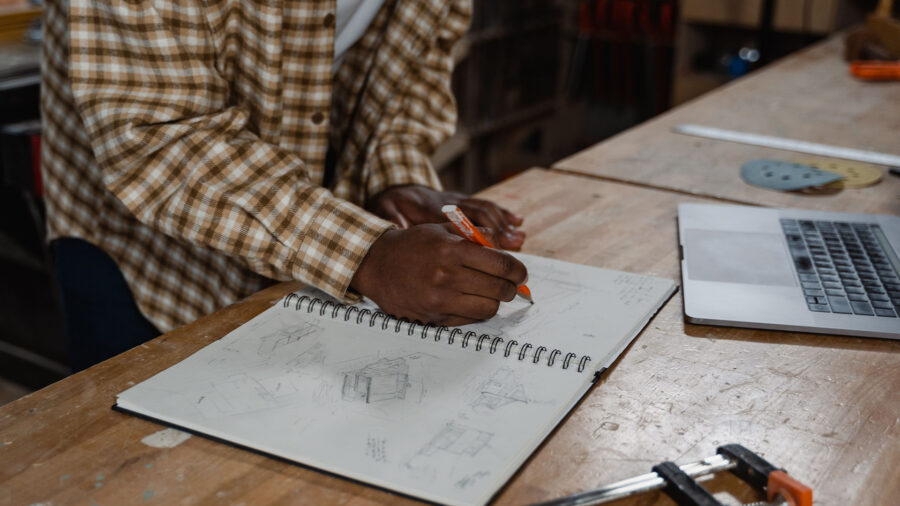
Designing the Human Journey
People experience buildings as a sequence of moments.
From arrival and orientation to gathering, healing, learning, working, or reflecting, every interaction shapes how a space is perceived. Storytelling helps designers think about these experiences as journeys rather than isolated functions.
By considering both practical and emotional aspects of navigating a building, designers can create environments that feel intuitive, reduce stress, and foster comfort and confidence. Clear wayfinding, access to daylight, moments of pause, and thoughtfully designed transitions all contribute to a more positive experience.
Human-centered design begins with understanding these journeys and ensuring that every space supports the people moving through it.
Designing for Different Perspectives
No two people experience a building in exactly the same way.
A healthcare worker may prioritize efficiency, visibility and restorable spaces during a demanding shift. A patient may need reassurance, dignity, and clarity during a stressful experience. A visitor may be looking for comfort, accessibility, and a sense of welcome.
Storytelling encourages designers to consider these perspectives and design with empathy. By understanding diverse user needs, architects can create environments that are more inclusive, equitable, and responsive.
This approach aligns with Parkin’s commitment to designing spaces that support wellbeing, accessibility, and community.

The Details That Carry the Story
Architectural storytelling often lives in the details.
Colour, texture, natural light, artwork, landscape and the careful sequencing of spaces can contribute to a larger narrative. These elements help create memorable experiences and reinforce a sense of identity within a building.
The most successful environments do not tell a story. Instead, they create opportunities for many stories to unfold over time as people interact with the space, build memories, and make it their own.
Why Storytelling Matters in Architecture
Storytelling is not separate from functionality. It strengthens it.
Spaces that reflect the people and communities they serve can foster belonging, improve user experience, support wellbeing, and create stronger emotional connections. In healthcare, education, justice, and community environments, these outcomes can have a meaningful impact on how people feel, interact, and heal.
At Parkin, storytelling helps us create architecture that is more responsive, more human, and more enduring. It reminds us that every project is part of something larger: a community, a shared purpose, and the lives of people who will experience the space for years to come. Because great architecture is not only about what we build. It is about the stories people carry with them long after they leave.